
Can stress really cause digestive problems? understanding the gut-brain connection

Can Stress Really Cause Digestive Problems?
Have you ever noticed your stomach feels worse during stressful periods? Maybe you've experienced bloating before a big presentation, lost your appetite during a difficult time, or found yourself rushing to the bathroom when anxiety kicks in.
If so, you're not imagining it.
Your brain and digestive system are constantly communicating through what's known as the gut-brain connection. When stress becomes chronic, it can disrupt this communication and contribute to many of the digestive symptoms people experience every day.
What Is the Gut-Brain Connection?
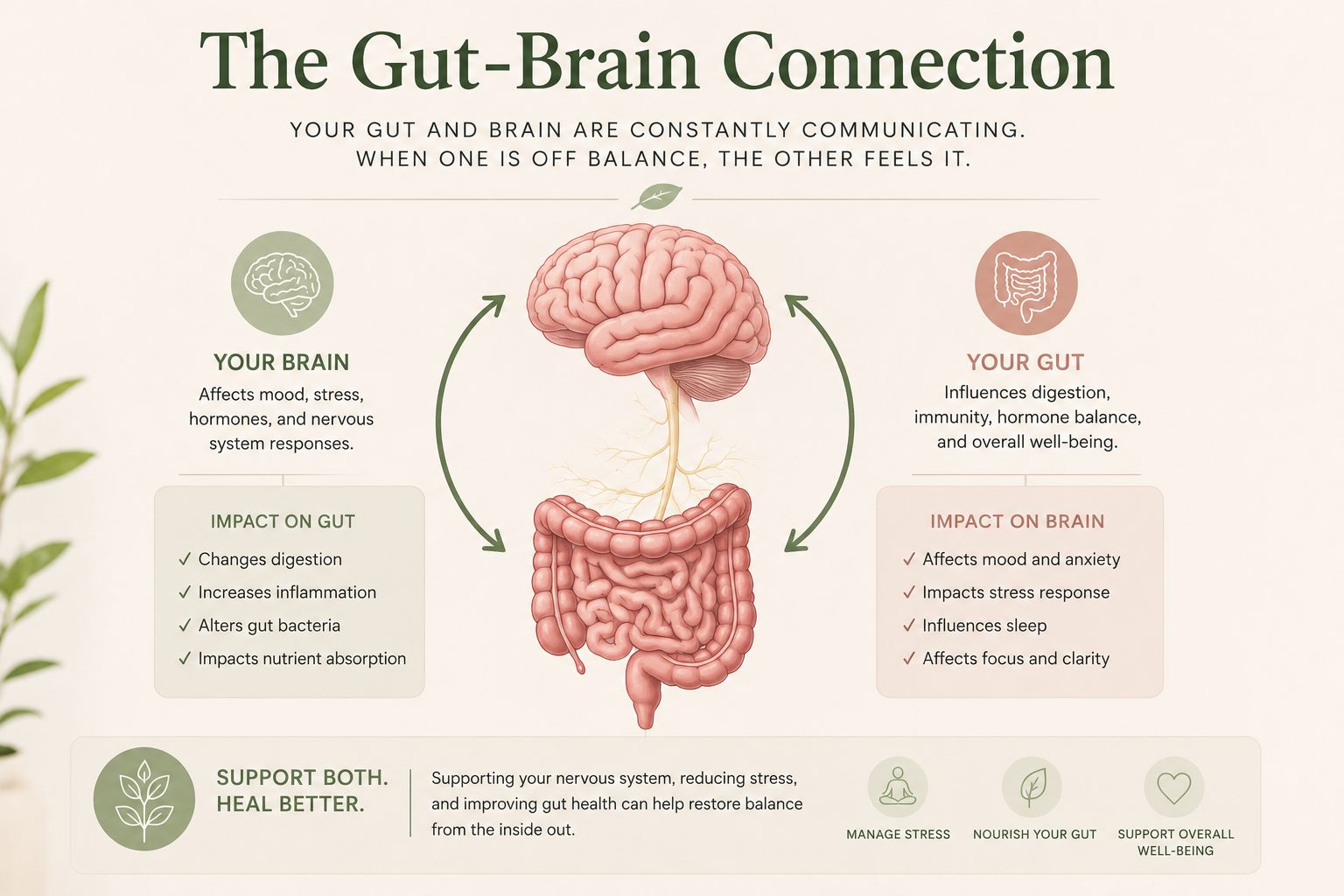
The gut and brain are connected through a complex network of nerves, hormones, and chemical messengers often referred to as the gut-brain axis.
When your body perceives stress, it activates the sympathetic nervous system—commonly known as the "fight-or-flight" response. While this response is designed to help you survive short-term danger, staying in this state for prolonged periods can affect many normal digestive functions.
Stress may influence:
Digestive motility
Stomach acid production
Intestinal permeability
Gut microbiome balance
Sensitivity to abdominal discomfort
These changes may contribute to symptoms such as bloating, constipation, diarrhea, abdominal discomfort, or changes in appetite.
Common Signs Stress May Be Affecting Your Gut
Stress can look different for everyone, but common signs include:
Frequent bloating
Constipation or diarrhea
Stomach discomfort
Acid reflux
Food sensitivities
Nausea
Feeling "full" quickly
Digestive symptoms that worsen during stressful periods
If these symptoms continue or become severe, it's important to talk with a qualified healthcare provider to determine the underlying cause.
Why Treating Symptoms Alone Isn't Always Enough
Many people focus only on the digestive symptoms themselves.
However, if chronic stress is contributing to those symptoms, supporting the nervous system may also be an important part of the overall treatment plan.
A comprehensive evaluation may include reviewing:
Nutrition
Sleep habits
Stress levels
Lifestyle factors
Medical history
Appropriate laboratory testing when clinically indicated
Looking at the whole picture helps create a more personalized approach to care.
How Functional Medicine and Acupuncture May Help

At Natural & Nourish, we take a personalized approach to digestive health.
Depending on your individual needs, your care plan may include:
Personalized Nutrition
Nutrition strategies tailored to your symptoms, lifestyle, and goals.
Functional Lab Testing
When appropriate, advanced testing can provide additional information about digestive function and nutritional status.
Acupuncture
Research suggests acupuncture may help support relaxation and may benefit certain digestive symptoms in some people. It is commonly used alongside conventional care as part of an integrative approach.
Lifestyle Strategies
Improving sleep, stress management, movement, and daily habits can all play an important role in overall digestive health.
Small Changes Can Make a Big Difference
Improving digestive health rarely comes from one single change.
For many people, better outcomes come from consistently supporting nutrition, managing stress, improving sleep, and addressing underlying factors that may be contributing to symptoms.
Every person's health journey is different, which is why personalized care matters.
Ready to Learn More?
If you're experiencing ongoing digestive concerns and are looking for a personalized, root-cause approach, our team at Natural & Nourish is here to help.
We combine functional medicine, nutrition counseling, functional lab testing, and acupuncture to help you better understand your health and create a plan tailored to your needs.
👉 Schedule your consultation today and take the first step toward lasting digestive wellness.